
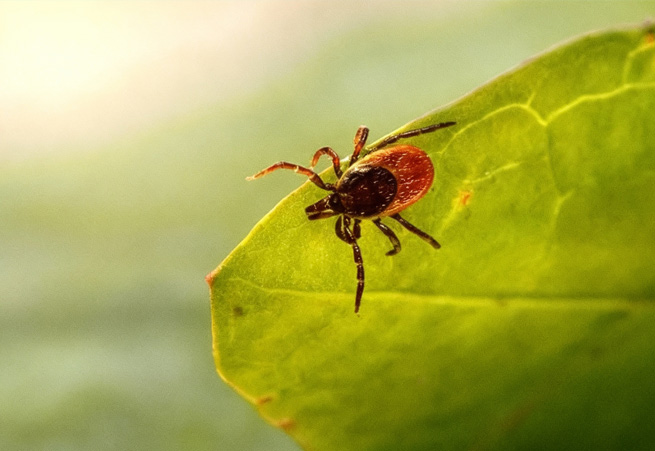
New Tick-Borne Viruses Are Another Reminder That Tick Prevention Matters
If you’ve been following the news recently, you may have seen reports about a rare tick-borne virus known as Bourbon virus after a confirmed case in New York.
FoxNews (Published : No cure, no vaccine: Experts warn of rare Bourbon virus after first NY case
The good news is that Bourbon virus is extremely rare, and is not currently identified as a public health concern in Nova Scotia.
However, the story highlights something that health professionals have been observing for years: ticks are capable of carrying more than just Lyme disease, making prevention increasingly important for homeowners across Nova Scotia.
Ticks Carry More Than Lyme Disease
When most people think about ticks, Lyme disease is usually the first thing that comes to mind.
While Lyme disease remains the most common concern in Nova Scotia, researchers continue to study a growing list of tick-borne illnesses throughout North America, including:
- Lyme disease
- Anaplasmosis
- Babesiosis
- Powassan virus
- Bourbon virus (rare and currently associated with parts of the United States)
- Alpha-gal syndrome (red meat allergy following certain tick bites)
Fortunately, many of these illnesses remain uncommon. But together they reinforce an important point:
Avoiding tick bites is always better than treating tick-borne illness.
What About Nova Scotia?
Nova Scotia already experiences one of Canada’s highest rates of Lyme disease.
Our province provides excellent habitat for blacklegged (deer) ticks, particularly around:
- wooded properties
- leaf litter
- tall grass
- ornamental gardens
- woodland edges
- shaded walking trails
While Bourbon virus has not been reported as a concern here, reducing tick populations around your property remains one of the most effective ways to lower your family’s exposure to tick bites.
Why Prevention Is Becoming More Important
Every year researchers learn more about ticks and the pathogens they can carry.
That doesn’t mean homeowners should panic.
It does mean that preventing tick bites has become increasingly valuable—not only because of Lyme disease, but because of the expanding list of illnesses associated with ticks across North America.
Simple steps like:
- reducing tick habitat
- checking yourself after outdoor activities
- protecting pets
- treating high-risk areas around your property
can significantly reduce the chance of encountering ticks.
TickGuard Atlantic’s Approach
At TickGuard Atlantic, our goal isn’t to create fear.
Our mission is to help Nova Scotia families enjoy their yards with greater peace of mind.
Our professional treatments focus on the areas where ticks are most likely to live—including wooded edges, leaf litter, ornamental beds, and other high-risk habitats—helping reduce tick populations where your family spends time outdoors.
Whether you’re protecting children, pets, or simply want to enjoy your property with greater confidence, prevention remains the best defence.