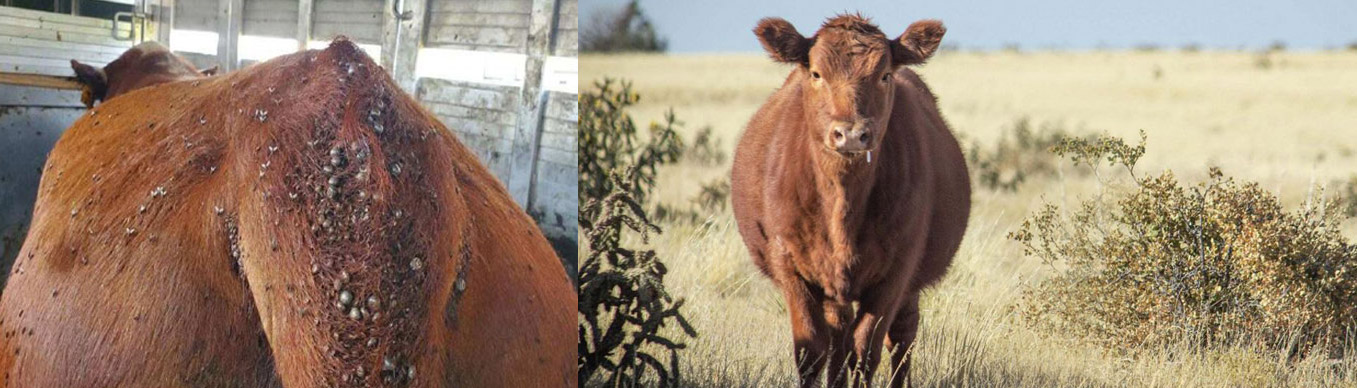
Invasive “Asian Longhorned Tick” Spreading New Cattle Disease in the U.S.
Reports out of the United States are drawing attention to an invasive tick species called the
Asian longhorned tick (
Haemaphysalis longicornis). This tick has been linked to the spread of a cattle parasite called
Theileria orientalis, which can cause serious health issues in herds.
While this specific livestock issue is currently centered in parts of the U.S., it’s still worth noting in Nova Scotia for one main reason:
tick risks in North America are changing. Tick ranges are expanding, seasons are lengthening, and new species (and the diseases they carry) can appear in new regions over time.
What is the Asian longhorned tick?
The Asian longhorned tick is notable because it can build populations quickly and can be difficult to manage once established. Key points:
- It can reproduce rapidly, allowing numbers to grow fast.
- It feeds on livestock and wildlife, and may also be found on pets.
- It has shown the ability to persist across a range of climates.
What is Theileria orientalis?
Theileria orientalis is a parasite that infects cattle and can contribute to:
- Anemia (low red blood cells)
- Weakness and reduced weight gain
- Lower milk production
- In severe cases, serious illness or death
Does this affect Nova Scotia right now?
At the time of writing, the Asian longhorned tick is
not established in Nova Scotia. However, this story is a useful reminder that:
- Tick species and tick-borne risks can shift over time.
- Wildlife movement and changing conditions can influence where ticks thrive.
- Prevention is easier (and cheaper) than reacting after ticks become a bigger problem.
What homeowners can do
Regardless of the headlines, the best protection for Nova Scotia families is practical prevention:
- Keep grass trimmed and reduce brush and leaf litter.
- Maintain cleaner wood lines and yard edges (where ticks often concentrate).
- Do routine tick checks after outdoor time.
- Use veterinarian-approved tick protection for pets.
- Consider professional perimeter tick control for higher-risk properties.
Bottom line: Tick issues are evolving across North America. Staying informed and taking preventative steps helps protect your family, pets, and property.